Kawaii Food Funny: A Designer's Real-World Embroidery Review
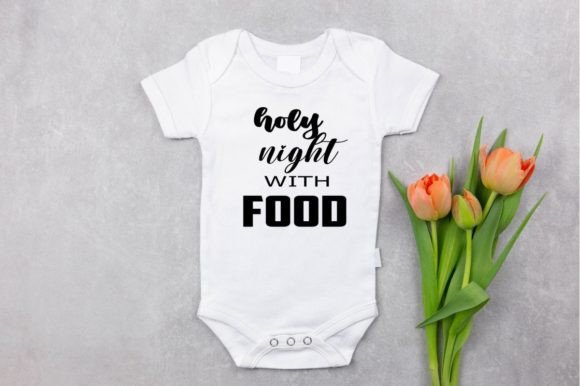
When I first opened the Kawaii Food Funny file to test it on my machine, I immediately felt that distinct spark of joy that comes from a well-conceived design. As someone who spends hours evaluating digital assets for real client projects and personal craft businesses, I am often skeptical of designs that look cute in theory but fail in practice. However, this specific piece of Graphics and Icons has a personality that translates surprisingly well into thread. It is not just a static image; it feels like a character ready to be stitched onto a tote bag, a baby onesie, or a cozy apron.
The First Stitch: Mood and Visual Personality
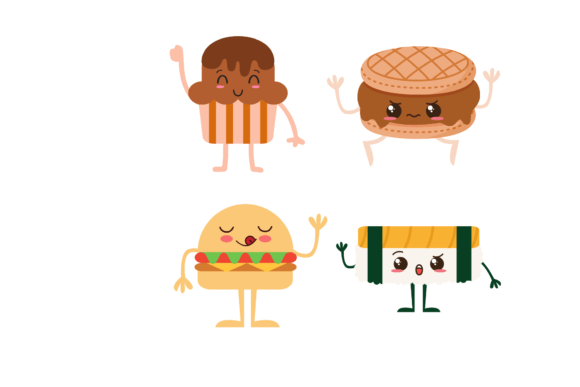
The immediate impression of Kawaii Food Funny is one of playful warmth. In the world of embroidery, mood is everything. A design needs to convey emotion even before the needle touches the fabric. This illustration captures that perfectly with its rounded shapes and inviting theme. It screams "comfort" and "fun," making it an ideal candidate for products aimed at children, foodies, or anyone looking to add a touch of whimsy to their wardrobe.
From a layout perspective, the design avoids unnecessary clutter. The negative space is balanced in a way that suggests where the stitches should fall. When you are working with machine embroidery design, the difference between a design that looks crisp and one that looks like a muddy mess often comes down to how the original vector handles detail. Kawaii Food Funny seems to prioritize clarity over hyper-realism, which is exactly what you want when converting pixels to satin stitches. It feels like a design meant to be seen, smiled at, and appreciated by the wearer.
Real-Life Application: From Screen to Stitches
I recently put this design through a rigorous trial run to see how it would perform in a commercial setting. My goal was to create a custom embroidered tote bag for a local boutique owner who wanted a unique addition to her gift shop inventory. The challenge was ensuring the design held up after multiple washes while maintaining its vibrant appeal.
We started with a heavy-duty canvas tote. The Kawaii Food Funny design worked beautifully here because the sturdy fabric could support the stitch density without puckering. I used a high-quality polyester thread to ensure the colors popped against the neutral background. The result was a finished product that looked professional enough to command a higher price point. Customers walking past the display stopped specifically to admire the texture and the cheerful subject matter. It proved that this design has the potential to elevate simple merchandise into memorable handmade products.
Beyond totes, I envision this embroidery file shining on sweatshirts and hoodies. The softness of fleece or French terry complements the kawaii aesthetic perfectly. Imagine a child wearing a hoodie featuring this design; it instantly becomes a personalized gift that stands out in a crowd. Similarly, for small business owners selling on Etsy, this design offers a versatile option for kitchen towels and aprons. The theme of food naturally fits into culinary spaces, making it a logical choice for chefs, home cooks, or baking enthusiasts.
Where Caution Is Required: Fabric and Technique
While Kawaii Food Funny is a strong contender, no single design is perfect for every situation. As an experienced reviewer, I must highlight where this design might struggle. One critical area is small hoop sizes. If you attempt to stitch this on a very small item, such as a cap brim or a tiny patch, the details may become lost or distorted. The curves that give the design its charm can easily turn into jagged lines if the stitch count is too high for the available surface area.
Fabric selection is another vital factor. Stretchy fabrics, like spandex blends or thin jersey, require careful stabilization. Without the proper stabilizer, the tension of the embroidery can cause the fabric to pucker, ruining the clean lines of the illustration. Similarly, textured fabrics like bouclé or rough denim can hide the fine details of the running stitch or satin stitch elements. On dark fabrics, the contrast is key; if the thread colors chosen do not stand out sharply against the material, the design loses its impact.
Additionally, items that undergo frequent washing, such as work aprons or daily-use tote bags, need to be evaluated for durability. While the design itself is sound, the longevity depends heavily on the quality of the thread and the stability of the application. For commercial embroidery projects intended for mass production, it is essential to test the design on scrap fabric first to ensure the stitch density does not cause issues over time.
Designer Notes for Success
To get the most out of Kawaii Food Funny, there are several practical steps every designer should take before committing to a final project. First, always review the stitch density. If the design feels too dense, it can make the fabric stiff and uncomfortable. Adjusting the density settings in your digitizing software can help achieve a softer hand feel without losing the visual integrity of the art.
Thread color contrast is another non-negotiable element. I recommend testing the design in black and white mockups first. This helps visualize how the different shades will interact and ensures that the design remains legible regardless of the color palette used. Furthermore, check whether the design works for both personal and commercial projects by reviewing the licensing terms provided in the file description. Many creators overlook this step, leading to legal complications when selling finished goods.
For those creating printable mockups for online listings, ensure that the resolution matches the canvas size provided. The file mentions a canvas size of 1920 px X 1280 px, which is excellent for high-quality previews. However, remember that a digital preview is not a guarantee of the physical result. Always inspect small details and corners to ensure they are sharp and well-defined.
Final Verdict on Visual Appeal and Value
In conclusion, Kawaii Food Funny is more than just a collection of Icons and Graphics; it is a tool that can enhance the value of any handmade product. Its ability to convey joy and approachability makes it a powerful asset for brand consistency and buyer engagement. Whether you are a hobbyist creating gifts for family or an entrepreneur building a boutique line, this design offers a reliable foundation for creativity.
It fits seamlessly into categories ranging from holiday embroidery to baby embroidery. The versatility allows for endless combinations with other design assets, enabling you to build cohesive collections. By paying attention to fabric texture, stabilizer usage, and thread selection, you can transform this digital file into a stunning finished product that customers will love. For anyone looking to add a touch of fun and professionalism to their embroidery portfolio, Kawaii Food Funny is a smart investment worth exploring.