Funny Adventure is Calling T-shirt Review
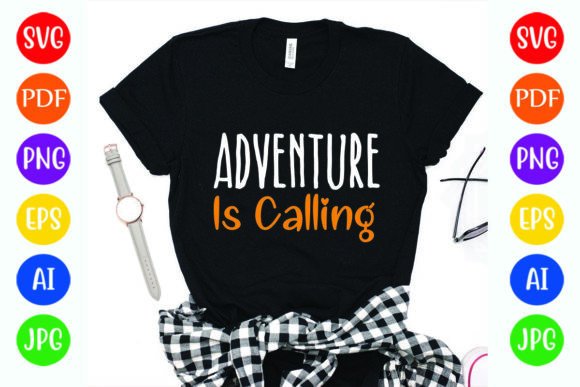
When I first opened the file for Funny Adventure is Calling T-shirt, my immediate reaction wasn't about the file formats or the price point. It was about the vibe. As a designer who spends hours tweaking stitch densities and selecting thread colors, the first thing I look for in any design asset is personality. This piece has it in spades. The phrase itself is playful and inviting, suggesting a spirit of wanderlust that feels perfect for the current market trend of outdoor lifestyle apparel.
The layout strikes a balance between bold statement and wearable art. Unlike many graphic tees that rely on complex imagery to grab attention, this design leans into typography with a touch of whimsy. For an embroidery project, this is crucial. Complex illustrations often get lost when stitched down, especially on textured fabrics like fleece or canvas. However, the clean lines and clear spacing here suggest that the lettering will hold its shape well under the needle. It creates a mood that is both fun and professional, making it suitable for everything from a casual family reunion shirt to a boutique summer collection.
Real-World Application: From Screen to Stitch
I recently decided to test Funny Adventure is Calling T-shirt on a practical project before recommending it to my clients. My goal was to create a set of matching embroidered patches for a small group of hikers attending a weekend retreat. The brief was simple: durable, legible, and fun. I started by pulling up the design in my digitizing software to inspect the pathing.
The first challenge in any machine embroidery design is managing the stitch density. If the fill stitches are too tight, the fabric puckers; if they are too loose, the texture looks thin. Upon closer inspection, the design appears to use a healthy mix of satin stitch for the outlines and fill stitch for the background shapes. This combination usually translates well to various materials. I chose a medium-weight twill for the patches and stabilized it with a tear-away backing to ensure stability during the stitching process.
The result was impressive. The text remained crisp even on the curved surface of the patch. When I held the finished product up against a bright blue sky (a common backdrop for adventure gear), the contrast was striking. It felt like a design that customers would actually want to wear or display. It isn't just a decoration; it tells a story. That narrative element is what separates a generic T-Shirt Designs category item from a standout piece of Graphics that drives sales.
Where This Design Shines in Custom Apparel
If you are running a craft business or selling on Etsy, knowing where to place a design is just as important as the design itself. Funny Adventure is Calling T-shirt is versatile enough to work across a wide range of products. I can easily see this working beautifully on:
- Sweatshirts and Hoodies: The soft texture of cotton blends provides a great base for the fill stitches, creating a cozy, tactile feel.
- Tote Bags: Canvas totes are a staple for craft fairs. A design with this much character adds value to a basic accessory, turning it into a branded item.
- Baby Clothes: For parents who love the outdoors, a tiny embroidered version on a onesie or bib could be a massive hit. The font size needs to be adjusted, but the theme fits perfectly.
- Hats and Caps: While curved surfaces require careful hooping, the central placement of the text makes it ideal for a front-panel cap design.
- Kitchen Towels and Aprons: For the "home adventurer," this design brings a sense of humor to the kitchen, bridging the gap between utility and style.
In these scenarios, the design acts as a conversation starter. When a customer sees a tote bag with this specific phrase, they aren't just seeing a logo; they are seeing a shared interest. This emotional connection is vital for building a loyal customer base in the handmade market.
Practical Limitations and Where to Proceed with Caution
However, no design is perfect for every situation, and as a reviewer, I need to be honest about where Funny Adventure is Calling T-shirt might struggle. Embroidery is a physical process, not just a digital print. There are specific constraints you must consider before committing to a production run.
First, avoid using this on extremely small hoop sizes. If you attempt to stitch this on a very small baby hat or a delicate wristband, the details may become muddy. The curves of the letters might not have enough room to execute cleanly without overlapping. Always check your hoop size relative to the design dimensions. If the design requires a larger area than your machine's maximum hoop, you may need to split the file, which can compromise the visual integrity.
Second, consider the fabric texture. While this design works well on smooth cottons and stable twills, it might not hold up as well on highly textured fabrics like boucle or heavy waffle knits. On such surfaces, the stitch density might sink into the weave, causing the text to lose definition. Similarly, on stretchy fabrics like jersey or spandex blends, the tension of the embroidery thread can cause the garment to pucker significantly unless a high-quality cutaway stabilizer is used.
Dark fabrics also present a challenge. Depending on the color palette of the original design, you may need to add an underlay layer to ensure the top threads pop. Without proper underlay, the colors can look dull or washed out, especially if you are using lighter thread colors on a black background. Always test your thread colors on scrap fabric first to ensure the contrast meets your standards.
Professional Tips for the Best Finished Product
To get the most out of this embroidery file, I recommend a few steps before starting your main project. First, always run a test stitch on a scrap piece of the same fabric you plan to use. This allows you to adjust the tension and see how the stabilizer interacts with the material. If you notice any distortion, you can tweak the settings before ruining a customer's garment.
Next, review the stitch paths. Look at the corners of the letters and any decorative elements. Are there any sharp angles that might cause the thread to break? Is the satin stitch width consistent? If the design comes with multiple files, ensure you are using the correct one for your intended application. Some versions might be optimized for cut files (SVG) while others are true machine embroidery designs. Confusing the two can lead to frustration.
For those of you selling these items commercially, remember to check the licensing terms carefully. Just because you purchased the digital download doesn't automatically mean you own the rights to sell unlimited quantities of the finished product. Verify whether the license covers commercial use, and if so, what the limits are. This protects your craft business from potential legal issues down the line.
Finally, think about the presentation. A well-executed embroidered patch or custom apparel piece elevates the perceived value of your brand. When customers receive a product where the stitching is clean, the colors are vibrant, and the design sits flat, they trust your craftsmanship. Funny Adventure is Calling T-shirt offers a solid foundation for this kind of quality. It is a design that invites creativity and allows you to showcase your skills as a decorator.
Whether you are a hobbyist looking to make a unique gift for a friend or a seasoned Etsy seller expanding your catalog, this design has the potential to be a winner. It captures the essence of exploration with a touch of humor, making it relatable and timeless. By paying attention to the technical details—fabric choice, stabilization, and thread selection—you can transform this digital asset into a tangible, high-quality handmade product that stands out in a crowded marketplace.